Étude Op. 25, No. 11 in A minor, often referred to as the Winter Wind in English, is a solo piano piece composed by Frédéric Chopin in 1836.
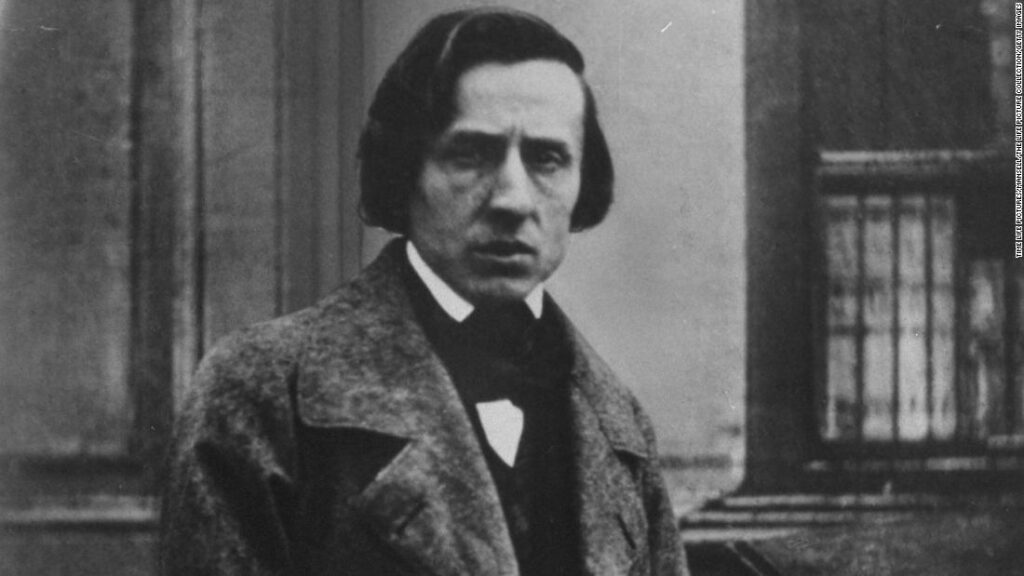
Chopin was a Polish composer and virtuoso pianist of the Romantic period who wrote primarily for solo piano. He is recognized worldwide as a leading musician of his era, a poetic genius who was based on a professional technique that was considered second-to-none in his generation. (Also, he is personally my favorite solo piano composer, so there is a bit of a bias.)
The étude is a sort of exercise to develop stamina, dexterity, and technique – essential skills for any concert pianist. It begins with a soft introduction of the main melody. The first theme follows, consisting of cascades of sixteenth-notes, which shortly moves into a repetition of the first theme. It finishes with a powerful and energizing coda, and ends with one final statement of the theme.

“Winter Wind,” rapid scales and arpeggios in the right hand.
The melody is played through the heavy left hand, and the right hand contributes the étude’s namesake with rapid scales and arpeggios. The polyphonic mindset is the way to go when working on this piece, treating both hands as separate melodies that work together, in a duet for one performer.
Chopin was greatly influenced by his cultural background. The Polish influence is most obviously seen in his polonaises and mazurkas, both of which are traditional Polish dance forms.


Provide Feedback